
Palmer-Dunn
Pineywoods Cattle
Short blurb about what this site is about. No more than 2 very short sentences or phrases.
Palmer-Dunn
Pineywoods Cattle
Short blurb about what this site is about. No more than 2 very short sentences or phrases.

Your Title Goes Here
Your content goes here. Edit or remove this text inline or in the module Content settings. You can also style every aspect of this content in the module Design settings and even apply custom CSS to this text in the module Advanced settings.

Your Title Goes Here
Your content goes here. Edit or remove this text inline or in the module Content settings. You can also style every aspect of this content in the module Design settings and even apply custom CSS to this text in the module Advanced settings.

Your Title Goes Here
Your content goes here. Edit or remove this text inline or in the module Content settings. You can also style every aspect of this content in the module Design settings and even apply custom CSS to this text in the module Advanced settings.

Your Title Goes Here
Your content goes here. Edit or remove this text inline or in the module Content settings. You can also style every aspect of this content in the module Design settings and even apply custom CSS to this text in the module Advanced settings.
Welcome
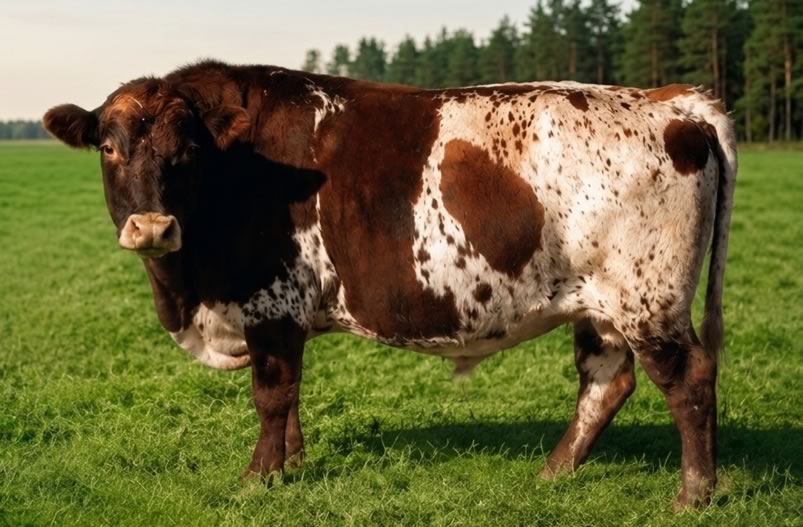
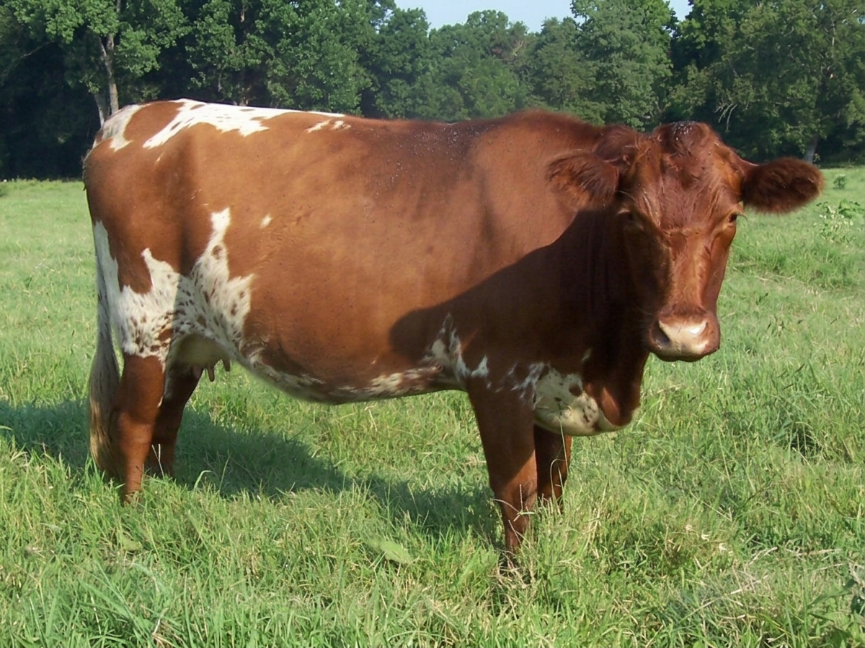
Welcome to the website for Palmer-Dunn cattle — more specifically, Polled Palmer-Dunn Cattle. Our goal is to educate the public in general, and those who endeavor to take on the task of preserving the Palmer-Dunn family line of Pineywoods cattle, about their history, standards, and transition into the changing cattle market. So, whether you are a small homestead farmer wanting docility or a commercial cattleman looking to add more heat tolerance, a long calving life, and low-input characteristics to your herd, we would like to offer our assistance.
Pineywoods cattle were first brought to the coasts of Florida and Georgia in the 1500s. Palmer-Dunn cattle are one of only two remaining naturally polled Pineywoods cattle family lines today. Most people assume that all Pineywoods cattle are polled, as the majority are. However, over the years, the polled lines have diminished. Our goal is to change that, and we could use your help. If you are intrigued by the history of America's first cattle but have steered away from Pineywoods due to their horns, there is another option: Palmer-Dunns.
Before you break out your checkbook, realize that this will be a process. The ability to go out and buy a starter herd of Polled Palmer-Dunns is not currently available. However, in the near future, the main breeders of Palmer-Dunns will be able to help those seeking to add Palmer-Dunns to their homestead or farm.
Today, Palmer-Dunns are primarily found in Georgia, Alabama, and Kansas. Most of us started with horned Palmer-Dunns and have transitioned to polled, thanks to the foresight of Mr. Freddie Brinson of Millen, Georgia. Mr. Brinson collected semen from polled Palmer-Dunn bulls. This is what is allowing the recovery of the polled genetics.
If you are interested in talking to or visiting a Palmer-Dunn breeder, contact information is available on the website.